Understanding Auto Insurance Quotes
Source: insurancekarma.com
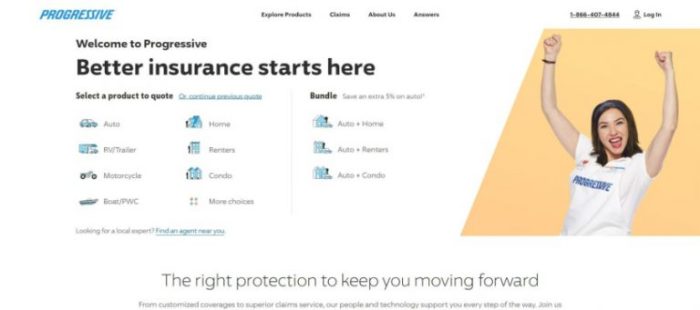
When it comes to safeguarding your vehicle, understanding auto insurance quotes is crucial. A comprehensive quote Artikels the financial protection your policy provides, tailored to your needs. Familiarity with the components of a quote can empower you to make informed decisions, ultimately ensuring you get the best coverage at a competitive rate.
The components of an auto insurance quote typically include the premium, deductible, coverage limits, and types of coverage. The premium is the amount you pay for your insurance policy, while the deductible is the out-of-pocket expense you must cover before your insurance kicks in. Coverage limits define the maximum amount your insurer will pay for covered claims. Understanding these elements aids in evaluating what you can afford and what level of coverage is necessary.
Factors Affecting Auto Insurance Quotes
Several key factors influence the cost of your auto insurance quote. These considerations can significantly impact your premium, making it essential to be aware of them when seeking insurance.
- Driving History: A clean driving record with no accidents or traffic violations typically results in lower premiums. Conversely, a history of claims or accidents may lead to increased costs.
- Location: Rates can vary based on where you live. Urban areas with higher traffic density often see higher rates compared to rural locations. Additionally, crime rates in your area can affect your premium.
- Vehicle Type: The make, model, and age of your vehicle will influence your quote. High-performance cars and luxury vehicles usually have higher premiums due to repair costs and theft rates.
- Age and Gender: Younger, less experienced drivers, particularly males, tend to have higher rates due to statistically higher accident risks.
- Credit Score: Insurers often use credit scores to assess risk. A higher credit score may lead to lower premiums, while a lower score might increase them.
Common Types of Coverage in Auto Insurance Quotes
Understanding the various types of coverage available in auto insurance is vital for making informed choices. Different coverage options can be combined to create a policy that meets your specific needs, balancing protection and affordability.
- Liability Coverage: This covers damages to another person’s property or injuries to another individual if you are at fault in an accident. It is typically mandatory in most states.
- Collision Coverage: This pays for damage to your own vehicle resulting from a collision, regardless of fault.
- Comprehensive Coverage: This protects against damage to your vehicle not involving a collision, such as theft, vandalism, or natural disasters.
- Personal Injury Protection (PIP): This covers medical expenses for you and your passengers, regardless of who is at fault in an accident.
- Uninsured/Underinsured Motorist Coverage: This protects you if you’re involved in an accident with a driver who lacks sufficient insurance coverage.
Comparing Auto Insurance Quotes
Comparing auto insurance quotes is a crucial step toward finding the most suitable coverage for your needs. It helps you ensure you are receiving the best value for your money while also being adequately protected on the road. With numerous options available, understanding how to effectively compare these quotes can save you both time and resources.
When comparing auto insurance quotes, it’s essential to look beyond just the final price. Policy details, coverage options, deductibles, and the reputation of the insurance provider all play a significant role in determining the best choice. By keeping these factors in mind, you can make a more informed decision that suits your unique circumstances.
Methods for Comparing Auto Insurance Quotes
To effectively compare multiple auto insurance quotes, consider the following methods:
1. Gather Multiple Quotes: Use online comparison tools or contact insurance agents to obtain quotes from various providers. Aim for at least three to five quotes to ensure a comprehensive overview.
2. Analyze Coverage Options: Examine what each policy includes. Look for differences in coverage types such as liability, collision, comprehensive, personal injury protection, and uninsured motorist coverage.
3. Check Deductibles: Review the deductibles associated with each policy. A lower premium might come with a higher deductible, which could affect your out-of-pocket costs in the event of a claim.
4. Review Discounts: Many insurance companies offer discounts that can significantly impact the overall cost. Check for discounts based on factors such as safe driving, bundling policies, or being a member of specific organizations.
5. Evaluate Customer Service: Research the customer service and claims handling reputation of each company. Reading reviews and ratings can provide insight into how they treat their customers during claims processes.
To assist with evaluating differences in coverage among quotes, the following checklist can be beneficial:
Checklist for Evaluating Coverage Differences
Consider the following points to ensure thorough evaluation of auto insurance quotes:
- Coverage Types: Confirm what types of coverage are included (liability, collision, comprehensive, etc.).
- Limits of Coverage: Note the maximum limits for each type of coverage.
- Policy Exclusions: Identify any exclusions that may limit coverage.
- Deductibles: Compare the deductibles for each coverage type.
- Discounts Available: List the discounts offered by each provider.
- Customer Support Options: Review how accessible customer support is (online chat, phone, email).
- Claims Process: Understand the process for filing claims with each provider.
Lastly, a structured examination of the pros and cons of each insurance provider based on their quotes can provide clarity. The table below summarizes this information:
Pros and Cons of Insurance Providers, Auto insurance quotes
The following table Artikels the advantages and disadvantages of each insurance provider based on the quotes received:
| Insurance Provider | Pros | Cons |
|---|---|---|
| Provider A | Competitive rates, extensive coverage options. | Limited local agent availability. |
| Provider B | Excellent customer service ratings, numerous discounts. | Higher premiums for young drivers. |
| Provider C | Flexible payment options, fast claims processing. | Fewer coverage options for specialized vehicles. |
| Provider D | Strong financial stability, good for high-risk drivers. | Less competitive rates compared to others. |
Thoroughly comparing auto insurance quotes is the key to securing the most appropriate coverage for your individual needs.
Tips for Obtaining Accurate Auto Insurance Quotes

Source: picpedia.org
Gathering accurate information is crucial for obtaining reliable auto insurance quotes. This process not only helps you understand your own coverage needs but also ensures that the quotes you receive are reflective of your specific situation. Accurate data enables insurers to provide fair estimates, ultimately assisting you in making informed decisions.
Understanding how deductibles affect your quotes is an essential aspect of the insurance process. A deductible is the amount you pay out of pocket before your insurance coverage kicks in. The choice of deductible can substantially influence your premiums, creating a balance between lower monthly payments and higher out-of-pocket costs when filing a claim.
Strategies for Gathering Accurate Information
When seeking auto insurance quotes, using precise and clear information is vital. Here are several strategies to ensure you are providing accurate details to insurers:
- Gather Personal Information: Compile essential data such as your driver’s license number, vehicle identification number (VIN), and any existing insurance policies.
- Provide Accurate Vehicle Details: Include information about your car’s make, model, year, safety features, and current mileage.
- Disclose Driving History: Offer a complete driving record, including accidents, traffic violations, and the number of miles driven annually.
- Consider Coverage Needs: Determine your required coverage levels, including liability, collision, and comprehensive coverage, to allow for tailored quotes.
- Be Honest About Usage: Clearly state how you intend to use the vehicle, whether for commuting, business, or leisure, to ensure accurate risk assessment.
Understanding the Impact of Deductibles
Deductibles play a significant role in determining your insurance premiums. It’s important to comprehend how different deductible amounts affect your overall cost. Typically, selecting a higher deductible results in lower monthly premiums, while a lower deductible increases your premium costs.
“Choosing the right deductible is about balancing monthly affordability with potential out-of-pocket expenses in the event of an accident.”
To illustrate, consider the following scenario: if you opt for a $1,000 deductible, your monthly premium may be $100. However, if you choose a $500 deductible, your premium could rise to $120.
Common Mistakes When Requesting Quotes
While gathering quotes, individuals often make mistakes that can skew the results or lead to misinformed decisions. Recognizing these pitfalls can help you navigate the quoting process more effectively. Here are some common mistakes to avoid:
- Underestimating Coverage Needs: Many people focus solely on minimum coverage requirements, which can leave them underinsured in case of a serious accident.
- Failing to Compare Multiple Quotes: Relying on a single quote can lead to missed opportunities for better rates or coverage options.
- Omitting Key Information: Providing incomplete details, such as previous claims or safety features, can result in inaccurate quotes.
- Neglecting Discounts: Failing to inquire about available discounts for safe driving, multi-policy bundling, or vehicle safety features can lead to higher premiums.
- Misunderstanding Policy Terms: Not fully grasping the terms and conditions of different policies can result in unexpected costs or gaps in coverage.
The Role of Technology in Auto Insurance Quotes

Source: generateinsurance.com
The integration of technology into the auto insurance sector significantly enhances the process of obtaining quotes. With the advent of online tools and mobile applications, consumers can access a wealth of information at their fingertips, making it easier to compare rates and coverage options. This digital evolution streamlines the traditionally cumbersome process of acquiring insurance quotes, empowering users to make informed decisions faster and more efficiently.
Online Tools and Apps for Obtaining Auto Insurance Quotes
Online platforms and mobile applications have transformed the landscape of auto insurance. These tools facilitate quick access to multiple quotes, enabling users to evaluate their options without the need for in-person meetings or lengthy phone calls. Below are key advantages of utilizing these technologies:
- Instant Comparisons: Consumers can input their information once and receive numerous quotes from various insurers, allowing for easy side-by-side comparisons.
- User-Friendly Interfaces: Most apps are designed with user experience in mind, making navigation and understanding coverage options straightforward.
- 24/7 Availability: Unlike traditional methods, online tools are available around the clock, providing flexibility for users to obtain quotes at their convenience.
- Customizable Inputs: Users can easily adjust coverage levels and deductibles to see how changes affect their quotes in real-time.
The Impact of Telematics on Personalizing Auto Insurance Quotes
Telematics technology, which utilizes devices to monitor driving behavior, has ushered in a new era of personalized auto insurance quotes. Insurers can now access data regarding speed, braking patterns, and overall driving habits directly from customers’ vehicles. This information allows for more tailored policies based on individual risk factors rather than relying solely on demographic data.
The implications of telematics are significant:
– Drivers demonstrating safe driving behaviors may qualify for substantial discounts, reflecting their reduced risk.
– Real-time data collection enables insurers to adjust policies and rates dynamically, ensuring that premiums accurately reflect current behaviors and risk levels.
– Usage-based insurance models are emerging, allowing consumers to pay premiums based on actual miles driven, which is particularly beneficial for those who drive infrequently.
Comparison of Traditional vs. Digital Methods for Obtaining Quotes
The contrast between traditional and digital methods for obtaining auto insurance quotes highlights the efficiency and convenience of modern technology. The following table Artikels key differences between these two approaches:
| Aspect | Traditional Methods | Digital Methods |
|---|---|---|
| Time to Obtain Quotes | Often takes several days due to back-and-forth communication. | Quotes can be generated within minutes through online platforms. |
| Effort Required | Requires phone calls or in-person meetings with agents. | Users can gather quotes from multiple providers in one sitting. |
| Customization | Limited by the agent’s offerings and knowledge. | Highly customizable inputs allow for tailored quotes based on individual preferences. |
| Availability | Typically available during business hours. | Available 24/7, providing flexibility to users. |
Question & Answer Hub: Auto Insurance Quotes
What factors affect auto insurance quotes?
Factors include driving history, location, age, type of vehicle, and coverage levels.
How can I lower my auto insurance quotes?
You can lower quotes by increasing deductibles, maintaining a clean driving record, and bundling policies.
Are online quotes accurate?
Online quotes can be accurate, but it’s essential to provide correct information for the most reliable estimate.
How often should I compare auto insurance quotes?
It’s advisable to compare quotes annually or after significant life changes, like moving or buying a new vehicle.
Can I negotiate my auto insurance quote?
Yes, many insurers are open to negotiation, especially if you present competitive quotes from other providers.