Overview of Workers Compensation Insurance

Source: carterbradleyinsurance.com
Seguro workers compensation – Understanding the importance of health insurance is crucial in today’s world. It not only provides financial protection against unexpected medical expenses but also ensures access to quality healthcare services. With various plans available, choosing the right one can significantly impact your health and financial stability. Thus, being informed about your options can help you make better decisions for yourself and your family.
Workers compensation insurance serves as a crucial safety net for employees injured on the job, providing wage replacement and medical benefits without the need for litigation. The primary objective of this insurance is to protect both workers and employers: workers receive necessary care and financial support during recovery, while employers are shielded from potential lawsuits stemming from workplace injuries.
Workers compensation insurance comprises several essential components that work together to deliver comprehensive coverage. These components typically include medical benefits, disability benefits, rehabilitation benefits, and death benefits. Employers are generally required to purchase this insurance as part of their risk management strategy, ensuring compliance with state regulations.
Essential Components of a Workers Compensation Policy
Understanding the primary elements within a workers compensation policy is vital for both employees and employers. Each component ensures that specific needs relating to workplace injuries are addressed effectively. The key components include:
- Medical Benefits: Covers all necessary medical expenses incurred due to work-related injuries or illnesses, including hospital stays, surgeries, and rehabilitation therapies.
- Disability Benefits: Provides financial support for workers who are unable to work due to their injury, with varying benefits depending on the severity and duration of the disability.
- Rehabilitation Benefits: Aimed at helping injured workers return to the workforce, these benefits may include physical therapy and vocational training.
- Death Benefits: In tragic cases where an employee dies due to a work-related incident, this component offers financial support to the dependents of the deceased, covering funeral costs and providing ongoing financial assistance.
Differences Between State and Federal Workers Compensation Programs
Workers compensation programs can be categorized into state and federal systems, each with distinct characteristics and regulatory frameworks. State programs are mandated by individual states, leading to a variety of regulations and benefits across the nation. They are designed to comply with local laws, which means that coverage, benefits, and procedures can differ significantly from one state to another.
In contrast, federal workers compensation programs, such as the Federal Employees Compensation Act (FECA), provide coverage for federal employees and certain types of workers. This program has standardized regulations and benefits that ensure consistency across all federal employment sectors.
The main difference lies in the governing laws: state programs vary widely, while federal programs maintain uniformity across jurisdictions.
Understanding these differences is essential for employers and employees to navigate their rights and responsibilities effectively in the event of a workplace injury. By being aware of the available options and the specifics of the applicable program, stakeholders can better prepare for the necessity of workers compensation insurance.
Benefits and Coverage of Workers Compensation

Source: diamondbackins.com
Health insurance plays a crucial role in safeguarding your finances against unexpected medical expenses. With the right health insurance , individuals can access necessary treatments and preventive care without the burden of high costs. As healthcare continues to evolve, understanding the various options available can help you make informed decisions for you and your family.
Workers compensation insurance provides essential financial protection to employees injured on the job while also safeguarding employers from potential lawsuits. Understanding the benefits and coverage of this insurance is crucial for both parties. It ensures that injured workers receive the necessary support for their recovery while allowing employers to fulfill their legal obligations.
The primary benefits covered under workers compensation insurance include medical expenses, disability payments, and rehabilitation services. Each of these categories plays a vital role in the recovery and financial stability of injured workers. Below, we delve deeper into each type of benefit and the coverage implications.
Types of Benefits Provided Under Workers Compensation Insurance
Workers compensation insurance encompasses various benefits aimed at addressing the needs of employees who sustain work-related injuries or illnesses. The key benefits include:
- Medical Expenses: This benefit covers all necessary medical treatments, including hospital visits, surgeries, medication, physical therapy, and any required medical equipment. The scope of medical coverage ensures that employees can focus on recovery without financial burdens.
- Disability Payments: If an employee is unable to work due to injury, they may qualify for disability payments. These payments can be temporary or permanent, depending on the severity of the injury. Temporary disability benefits typically cover two-thirds of an employee’s average weekly wage, while permanent disability benefits provide compensation for long-term loss of earning capacity.
- Rehabilitation Services: Workers compensation also offers rehabilitation services aimed at helping injured employees return to work. This may include vocational training, career counseling, and physical rehabilitation to regain skills necessary for their job or to transition to a new occupation.
Coverage for Medical Expenses, Disability, and Rehabilitation
Understanding the coverage details of each benefit is essential for both employees and employers.
“Workers compensation insurance is designed to alleviate the financial strain on both employees and employers following work-related injuries.”
– Medical Expenses Coverage: This coverage includes all reasonable and necessary medical treatments related to the injury. Employers are responsible for paying for medical services billed directly to the insurance, which can include anything from emergency care to ongoing treatment.
– Disability Coverage: The duration and amount of disability payments depend on the nature and extent of the injury. For example, if an employee sustains a serious injury that prevents them from working for an extended period, they may receive higher benefits compared to a minor injury.
– Rehabilitation Coverage: Rehabilitation services help employees regain their ability to work and minimize long-term effects of their injuries. Employers must provide access to these services, ensuring that injured workers can receive the support they need for a successful recovery.
Implications of Coverage Limits on Employee Claims and Employer Responsibilities
The limits of coverage under workers compensation insurance can significantly impact employee claims and employer responsibilities.
“Coverage limits define the extent to which employees can claim benefits and influence the obligations of employers under the law.”
Coverage limits may restrict the amount an employee can claim for medical expenses or disability benefits, which can lead to challenges in managing recovery costs. If an employee’s medical expenses exceed the coverage limits, they may have to cover the excess costs out of pocket, leading to financial strain.
Employers, on the other hand, must be aware of their responsibilities regarding these coverage limits. They are required to maintain an adequate insurance policy that meets state mandates, ensuring that all employees are protected. Failure to do so can result in legal repercussions and financial liability for work-related injuries.
In conclusion, understanding the benefits and coverage of workers compensation is essential for both employees and employers. It forms the foundation of a fair and equitable workplace, fostering an environment where safety and recovery are prioritized.
Claims Process for Workers Compensation
The claims process for workers compensation is a critical aspect that ensures workers receive the necessary support following workplace injuries. Understanding the step-by-step procedure is essential for both employees and employers to ensure a smooth and effective claims experience.
The process of filing a workers compensation claim involves several key steps that need to be followed meticulously. This guide Artikels the essential stages, from reporting the injury to managing disputes that may arise during the claims process.
Step-by-Step Process of Filing a Workers Compensation Claim
Filing a workers compensation claim requires careful documentation and adherence to specific protocols. Here is a detailed step-by-step guide:
- Report the Injury: Employees must notify their employer about the injury or illness as soon as possible, ideally within 24 hours. This prompt reporting is crucial for the validity of the claim.
- Seek Medical Attention: It is imperative to seek medical treatment for the injury. Ensure that the healthcare provider is aware that the treatment is related to a workplace incident.
- Complete a Claim Form: The employee should fill out a workers compensation claim form. This form gathers necessary information about the injury, including details of the incident and medical treatment received.
- Submit the Claim: The completed claim form, along with any supporting documentation, must be submitted to the employer or the insurance carrier for processing.
- Claim Review: The employer or insurer will review the claim and determine its validity. They may contact the employee for additional information.
- Claim Decision: A decision will be made regarding the approval or denial of the claim. If approved, the employee will be informed about the benefits available.
- Receive Benefits: If the claim is approved, the employee will start receiving the appropriate benefits, which may include medical treatment coverage and wage replacement.
Effective Management of Workers Compensation Claims by Employers
Employers play a crucial role in the effective management of workers compensation claims. Implementing a structured approach can streamline the process and enhance outcomes for employees and the organization alike. Here are strategies for employers:
“Effective management of claims not only benefits employees but can also significantly reduce costs for employers.”
The following methods can be employed by employers to manage claims effectively:
- Establish Clear Reporting Procedures: Ensure that employees are aware of the steps to report injuries and understand their rights regarding workers compensation.
- Train Supervisors: Provide training for supervisors on how to handle claims and encourage a culture of safety within the workplace.
- Maintain Open Communication: Foster open lines of communication with injured employees to provide support and keep them informed about their claim status and benefits.
- Document Everything: Keep thorough records of the incident, employee communications, and the claims process to aid in any future disputes or reviews.
Addressing Disputes or Denials in Workers Compensation Claims
Disputes or denials of workers compensation claims can pose significant challenges for both employees and employers. Understanding the methods to address these situations is essential for a fair resolution.
When a claim is denied or disputed, the following steps can be undertaken:
“Addressing disputes swiftly ensures that employees receive the benefits they are entitled to and helps maintain workplace morale.”
The process for addressing these issues includes:
- Review the Denial Reasons: Carefully analyze the denial letter to understand the reasons behind the decision. This information is critical for formulating a response.
- Gather Additional Evidence: Compile any additional documentation or evidence that supports the claim, such as medical records or witness statements.
- File an Appeal: If the claim is still believed to be valid, employees should file an appeal with the insurance carrier, following the provided guidelines and procedures.
- Consult Legal Counsel: In complicated cases or if the appeal is denied, it may be beneficial to seek legal advice to explore further options.
Trends and Challenges in Workers Compensation: Seguro Workers Compensation
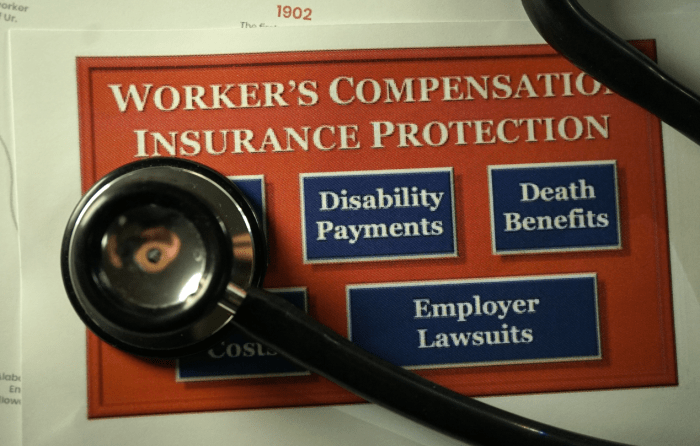
Source: buyliability.com
The landscape of workers compensation insurance is continuously evolving, influenced by a myriad of factors from legislation to workforce dynamics. Understanding the current trends and challenges is crucial for employers aiming to manage risks effectively while ensuring their employees are protected. This section delves into the prevalent trends impacting the workers compensation domain, the challenges employers face in cost management, and the future outlook for this essential insurance.
Current Trends Impacting Workers Compensation Insurance, Seguro workers compensation
Several trends are shaping the current environment of workers compensation insurance. Keeping abreast of these developments is vital for employers and insurers alike. Key trends include:
- Telemedicine Integration: The rise of telemedicine has transformed how injured workers receive care, allowing for quicker assessments and treatment, ultimately leading to faster recovery times.
- Data Analytics Utilization: Enhanced data analytics are being employed to predict risks and manage claims more effectively, leading to improved outcomes for both employers and employees.
- Focus on Mental Health: There is an increasing recognition of mental health issues in the workplace, prompting insurers to include mental wellness programs and support services as part of workers compensation coverage.
- Remote Work Considerations: The growth of remote work has raised questions about coverage for injuries sustained at home, prompting insurers to reassess policies in relation to home-based work environments.
Challenges in Managing Workers Compensation Costs
Employers face significant challenges in controlling workers compensation costs, impacting their bottom line. Understanding these challenges is essential for effective risk management. Noteworthy issues include:
- Rising Medical Costs: Increasing healthcare expenses continue to drive up the overall costs of workers compensation claims, necessitating strategic interventions from employers.
- Fraudulent Claims: Employers must navigate the complexities of fraudulent claims, which can inflate costs and complicate claims management processes.
- Inadequate Safety Protocols: A lack of robust safety measures can lead to higher injury rates, resulting in increased claims and premiums for businesses.
- Regulatory Compliance: Keeping up with changing regulations can be daunting and costly, as non-compliance may result in penalties and higher insurance premiums.
Future Outlook of Workers Compensation Insurance
The future of workers compensation insurance is likely to be influenced by various reforms and innovations. The evolving workforce demands a proactive approach from insurers and employers. Key potential developments include:
- Legislative Reforms: Anticipated legislative changes could reshape the coverage landscape, with an emphasis on protecting gig workers and adapting to new workplace dynamics.
- Technological Advancements: Continued advancements in technology, such as artificial intelligence and machine learning, are expected to enhance claims processing and fraud detection.
- Increased Focus on Employee Well-being: A shift towards holistic employee well-being may lead to broader coverage options that encompass physical and mental health, aligning with modern workplace expectations.
- Global Trends: As businesses expand globally, understanding and adapting to international workers compensation standards will become increasingly important.
Detailed FAQs
What is seguro workers compensation?
Seguro workers compensation is a form of insurance that provides financial benefits to employees who suffer work-related injuries or illnesses.
Who is eligible for workers compensation benefits?
Typically, all employees are eligible for workers compensation benefits if they are injured while performing their job duties, though specific eligibility may vary by state.
How do I file a workers compensation claim?
To file a workers compensation claim, notify your employer of the injury, complete the necessary claim forms, and submit documentation of medical treatment.
Are there time limits for filing a workers compensation claim?
Yes, there are time limits for filing claims, which vary by state; it’s essential to file as soon as possible to avoid losing benefits.
What should I do if my workers compensation claim is denied?
If a claim is denied, you can appeal the decision, seek clarification from your employer, or consult with a workers compensation attorney for guidance.